

Downpipe and Gutter Repairs
Downpipes and gutters are susceptible to leaks in joints. Begin by cleaning the area around the joint. Get rid of any paint or dirt (use a wire brush for gutters made of steel). Use repair tape to seal any cracks.
It's important to check your downpipe and gutters regularly - especially after heavy rainfall. This will help stop blockages due to debris accumulation and can identify more serious issues before they become.
Gutters
Gutters do a vital job of directing rainwater away from walls of your home, but only when they're free of obstructions and functioning correctly. In the event of a blocked gutter, it can overflow, saturate solid wall insulation and even cause beetle infestation in the timber behind them. Also, they can do to shallow foundations if they are left unchecked. Therefore, it's crucial that homeowners are able to spot problems with their guttering and downpipes, and how to carry out simple gutter repairs themselves when they are able to do so.
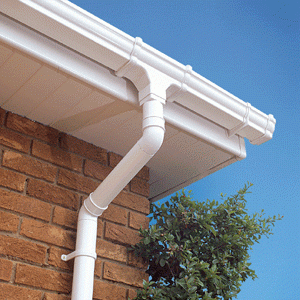
Water leaks or rust on the edges of the gutters are typically the first indication of trouble. Metal gutters are prone to become rusty over time, however when they've corroded to the point of detaching from fascia hangers or astragals, then it's best to replace them. In the meantime, a thorough clean can help prevent future blockages. For the best results, wear gloves and use a wire brush to get rid of any loose dirt or paint before you begin cleaning. It's also worth fitting gutter guards to lessen the chance of leaves creating blockages - and for added security, you could consider fitting pipe balloons too.
The downpipes could get clogged up with debris and must be cleaned regularly in order to function properly. If they get too full they could overflow and cause damage to the walls of a house and cause dampness and flooding in the basement.
Over time, cracks in gutters may develop due to various reasons, like rust or impact damage caused by ladders, or falling trees. Sealant or roofing cement may be used to repair smaller holes, however larger ones will require new flashing.
A leaky gutter section could be an indication of damage to the joint seal or an un-sealed joint that's worn out or been damaged. A gutter that is leaky can be repaired by cleaning the area, removing any sealant that was used and then applying a fresh layer. A leaky downpipe can be fixed by cleaning the surface, removing any dirt or paint that has escaped and then applying a new sealant to the joint.
Downpipes
Downpipes play an important function in the drainage of your home's roof. They direct melted snow and stormwater away your roof into a soak-well or drain, keeping you and your property dry. Like gutters they are also susceptible to damage and obstructions. It's crucial to repair or replace them as soon as is possible to prevent major damage and costly leaks.
The best way to spot problems with the downpipe is to check for rust or damage. You can also determine whether there are any indications of leaks by running the water through the system. Leaks in the downpipe can cause obvious wet spots on the ceiling or wall in the area where it's leaked. If you notice this, it's time to get help from the experts.
Blocked downpipes can be more difficult to get rid of than gutter blockages due to the fact that they are typically located in difficult-to-access areas. It is important to make sure that you use appropriate safety equipment and follow the proper procedure to avoid injury or property damage. The most frequent cause for downpipe obstructions is dirt, leaves, and silt blown there by the wind or carried with rainwater. Eventually, this can build until the point at which the downpipe isn't capable of handling it and overflows.
You may need to install a new downpipe if the one you currently have is damaged or rusted. You should choose one that is high-performance as they are made to withstand higher temperatures, pressures and longer lasting than standard pipes. They are also more resistant to corrosion.
A downpipe upgrade can give your car an extra performance boost, increasing engine power and fuel efficiency. It is also a great way to prepare your vehicle for future upgrades.
Before installing aftermarket parts, always consult with an expert or a knowledgeable source to ensure that your vehicle is compatible with the upgrade. Certain modifications require a remap to accommodate the new exhaust. This is crucial to ensure that your engine is not damaged or voiding any warranty.
Astragals
Door astragals are the vertical pieces that can be placed between two doors to close the gap. They create an obstacle to moisture, drafts and other external influences. They are often interpreted as simple weather stripping, but they play an important role in both improving the quality of life in your home and enhancing security. Astragals aren't just functional, but they also add aesthetic appeal to the door system. They can be customized to a variety designs and finishes as well as sizes. It is vital that astragals be examined and replaced if needed to ensure the highest level of performance and visual integration.
An astragal is a piece of hardware that covers the gap between the joining edge of two doors, or between a door's mullion and flush transom panel when there is no mullion. It can also serve as an air seal on fire-rated Dutch doors, or between the top leaves and the bottom leaves of sliding doors. Astragals are available in a wide variety of sizes and materials, including metals, plastics, wood, and vinyl. They may be installed in a variety of configurations, including gaps that overlap or are not, and without or with gasketing.
In addition to providing an aesthetic barrier and enhancing privacy, door astragals contribute to home efficiency by securing the gap between the doors and the threshold. This prevents air leakage and reduces energy consumption. Additionally, it helps to maintain a comfortable temperature inside. This is especially helpful during the colder months, when it is important to stop loss of heat.
Installing a new astragal is a simple process that can be accomplished in a few easy steps. It is essential to first determine the height and width of the gap between the doors. This will ensure that the astragal is sized correctly. The astragal should be cut using a saw to the correct size before being placed on the door. Installers should then find the astragal, align the pre-punched hole with the existing astragal, and then secure it.
Repairing the astragal by professionals is recommended to ensure the new astragal fits properly and is secured. Furthermore, these experts can inspect other components of the door to ensure that they are in good condition.
Flashing
The gutter flashing prevents rainwater from penetrating where the roof meets the wall. If you've noticed that water has been leaking behind the gutters, it's likely due to missing flashing or poorly fitted flashing. Install an apron for your gutter. This is a bent piece that fits between the shingles, and covers the gutter. Gutter aprons typically come in 10-foot sections and you can cut them to size with tin cutting tools.
It's difficult to identify holes in your gutters however, they can cause a lot of harm. If you suspect that your gutters are leaking, a quick inspection with Tin snips will uncover the. RepairMyWindowsAndDoors can be fixed with roofing cement or sealant larger ones will require flashing.
If your gutters become clogged and water overflows, it will end up washing the debris over the roof tiles, fascia boards wall cladding, and eventually into your home. This is a particular problem with metal gutters that are prone to corrosion. Cleaning the downpipes regularly will aid in preventing the gutter from clogging. A plastic spatula is ideal for this task since it won't scratch the gutter and can be cut to shape to fit the contours of the gutter with the help of tin snips.
Gutter aprons can also help prevent clogging, by directing water into the gutter. Install a diverter on the downstream end of the pipe to redirect water away from your house or building. Installing a bigger downpipe, or a gutter apron could be required when your gutters have a problem after an intense rainfall.
If your gutters are loosened, it could be due to a damaged union or the screw has become loose. Start by cleaning around the gutter to remove any rust or paint that has escaped. Then, scrape away the old joint and dry it with the help of a wire brush. Apply roof and gutter sealant to the joint using an applicator nozzle, making sure to fill all the gaps. Allow the sealant time to dry before attaching the gutter hanger brackets.